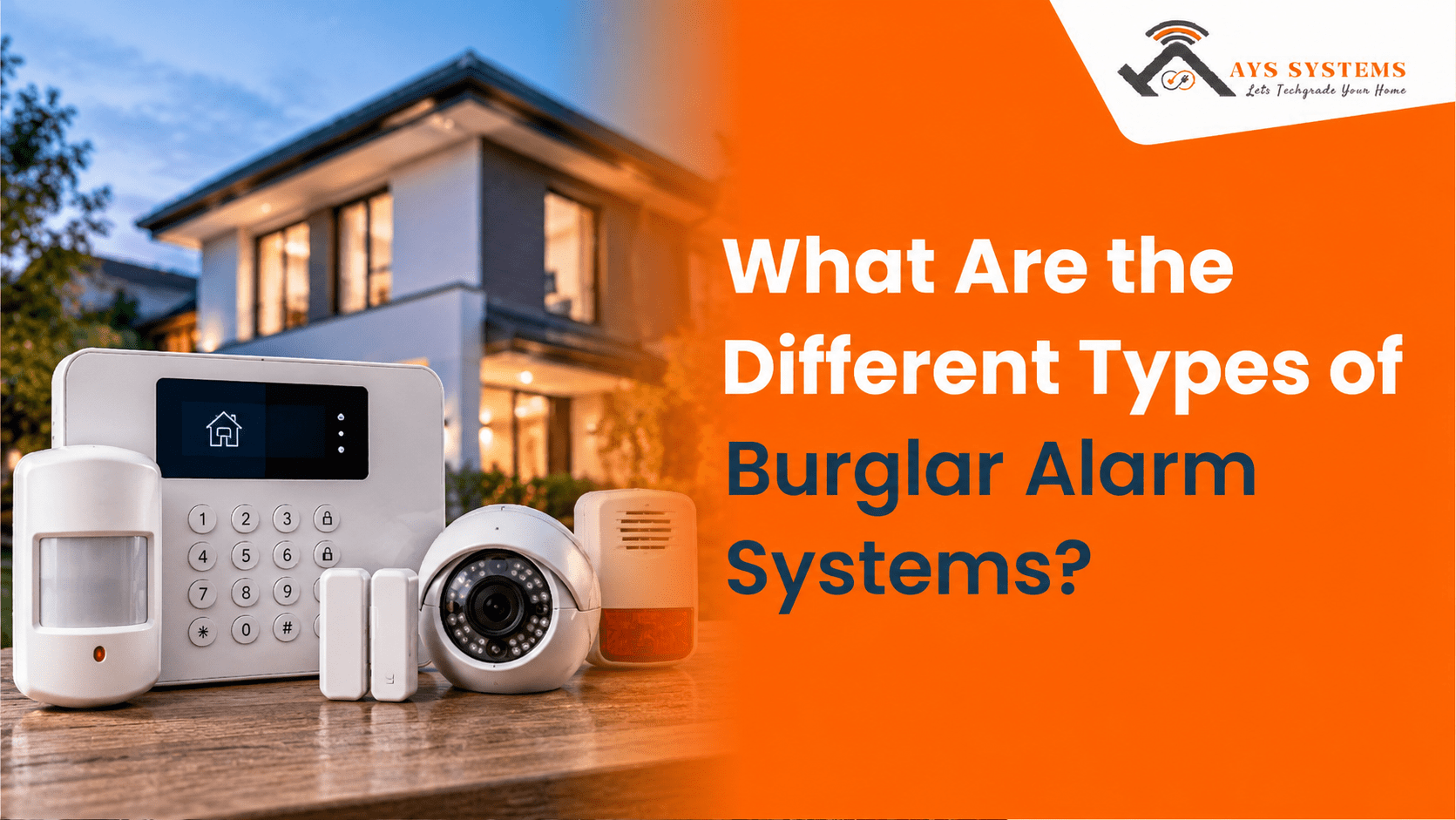
A security alarm should do more than make noise when someone enters a property without permission. It should help protect the people inside, alert the right person when something goes wrong, and provide reassurance when the property is empty. For homeowners and business owners in Harrow, UK, choosing the right alarm means understanding how different systems work and which features are worth considering.
However, not every property needs the same level of protection. A small house, a shop with valuable stock, and an office with several access points have different security requirements. In this blog, we will explore the types of burglar alarm systems, explain how each option works, compare their advantages, and share practical advice to help you choose a suitable system for your property.
Why Do Different Properties Need Different Burglar Alarm Systems?
Different properties have different security needs. Homeowners may prefer simple alarms with smartphone notifications, while businesses may need multiple detection zones and professional monitoring. Property size, entrances, occupancy, and budget also influence the right choice.
When comparing the types of burglar alarm systems, consider these factors:
- Property Size: Identify entrances and vulnerable areas that need coverage.
- Occupancy: Consider remote alerts for properties often left empty.
- Security Risks: Check accessible windows, rear doors, and garages.
- Budget: Include installation, maintenance, and monitoring costs.
- Ease of Use: Choose a system that is simple to operate.
Before arranging burglar alarm installation in Harrow, UK, assess these factors to find a system that suits your property's security needs.
Different Types of Burglar Alarm Systems
There are several types of burglar alarm systems available, each designed to meet different security needs. Some focus on basic intrusion detection, while others offer remote access, professional monitoring, or flexible installation options.
Here are seven common types to consider for your home or business.
1. Wired Burglar Alarm Systems
A wired burglar alarm uses physical cables to connect its control panel with sensors, detectors, and other components. When a sensor detects activity that meets the alarm's trigger conditions, it communicates with the control panel, which activates the appropriate response.
Key Features:
- Reliable communication between connected components.
- Less battery maintenance for wired sensors.
- Suitable for permanent installations.
- May require drilling and cable routing.
These systems are often considered for properties undergoing construction, renovation, or major electrical work because cables can be installed neatly within walls and ceilings.
2. Wireless Burglar Alarm Systems
Wireless burglar alarms use radio signals to communicate between the control panel and compatible detectors. Instead of running cables throughout the property, installers position sensors at suitable locations and connect them to the alarm system.
A wireless burglar alarm can be particularly useful in finished homes, rented properties where installation restrictions apply, and buildings where running cables would be disruptive.
Key Features:
- Flexible installation with minimal structural work.
- Easy expansion using compatible sensors.
- Smartphone notifications on supported models.
- Battery replacement and signal strength checks may be necessary.
3. Bells Only Burglar Alarm Systems
A bells-only burglar alarm activates an external sounder or siren when the system detects a potential intrusion. Its purpose is to attract attention and encourage an intruder to leave the property.
These alarms are commonly considered by homeowners and smaller businesses looking for a straightforward security solution.
Key Features:
- Activates an audible warning when triggered.
- Simple operation and basic intrusion detection.
- Usually has fewer ongoing costs than monitored systems.
- Does not automatically contact a monitoring centre in a basic setup.
A bell-only alarm may be suitable when audible alerts meet your security needs. However, properties requiring remote notifications or a more structured response may benefit from additional features.
Suggested read: Pros & Cons of Different Types Burglar Alarm System
4. Monitored Burglar Alarm Systems
A monitored burglar alarm connects the alarm system to a professional monitoring service. When the system generates a qualifying alert, the monitoring centre receives the signal and follows an agreed response procedure.
This may involve contacting nominated keyholders or taking other actions specified in the monitoring arrangement.
Key Features:
- Professional monitoring of alarm signals.
- Agreed procedures for responding to alerts.
- Useful for properties left empty for extended periods.
- Usually involves ongoing monitoring fees.
- Police attendance is not guaranteed.
Before choosing a monitored alarm, check the provider's response arrangements, communication methods, and ongoing charges.
5. Smart Burglar Alarm Systems
Smart burglar alarms use connected technology to give users more control over their security. Depending on the model, these systems can connect to a home network or communicate through another supported connection.
- Users may be able to arm or disarm the alarm, check its status, and receive notifications through a smartphone application.
Key Features:
- Remote access and control through compatible devices.
- Smartphone notifications when sensors are triggered.
- Integration with compatible cameras and smart lighting.
- Internet connectivity may be required for certain features.
- Secure account settings help protect access.
Smart alarms can be useful for people who want to manage their property security remotely. Before choosing one, check which features continue working if the internet connection becomes unavailable.
6. Hybrid Burglar Alarm Systems
A hybrid burglar alarm combines wired and wireless components within one system. For example, a property might use existing wired door contacts while adding wireless detectors in areas where installing new cables would be difficult.
This approach can be useful when upgrading an older alarm or extending security coverage without replacing every existing component.
Key Features:
- Combines wired and wireless components.
- May allow compatible existing equipment to be reused.
- Supports flexible expansion with additional sensors.
- Requires compatibility checks and proper configuration.
A hybrid system may be worth considering if you want to improve an existing installation without replacing every component. An assessment can help determine which equipment is suitable for reuse.
7. Perimeter Protection and Intruder Detection Systems
Some burglar alarm installations focus on detecting intrusion at the property's boundaries or vulnerable entry points before an intruder reaches the main living or working areas.
Depending on the site, protection may include door contacts, window sensors, outdoor detectors, or other compatible detection equipment.
Key Features:
- Detects activity around vulnerable entry points.
- Provides early warnings of potential intrusion.
- Suitable for properties with multiple entrances.
- Requires careful sensor placement to reduce false alarms.
- Larger properties may need additional detectors.
For effective burglar alarm installation in Watford, choosing the right sensors for your property's layout can help improve security and provide greater peace of mind.
How to Choose the Right Types of Burglar Alarm System
Now that we have covered the main options, the next step is to compare them against your property's needs.
The following checklist can help you make a practical decision.
1. Identify Vulnerable Areas
Walk around the property and identify accessible windows, rear doors, side entrances, garages, and other potential entry points.
Consider which areas need immediate detection and whether indoor motion sensors are also necessary.
2. Decide How You Want to Receive Alerts
Think about what should happen when the alarm activates.
Would a siren be sufficient, or would you prefer smartphone notifications or professional monitoring?
Your answer will help determine which features are essential.
3. Compare Installation Requirements
Wired systems may suit properties undergoing renovation, while wireless systems can be convenient where extensive cabling is impractical.
A hybrid option may be worth considering if you already have compatible equipment.
4. Check Ongoing Costs
Look beyond the purchase price. Include installation, maintenance, replacement batteries where applicable, and monitoring subscriptions in your budget.
Ask for a clear explanation of any recurring charges before making a decision.
5. Consider Professional Installation
Correct sensor placement, appropriate configuration, and proper testing all affect how well an alarm performs.
When comparing burglar alarm installation services in London, consider the installer’s experience with your property type, the proposed equipment, and the support available after installation.
6. Test and Maintain the System
Once installed, learn how to arm and disarm the alarm and how to respond to notifications.
Follow the manufacturer's testing schedule, replace batteries when required, and arrange maintenance if a detector or sounder does not operate as expected.
Common Mistakes to Avoid When Choosing a Burglar Alarm
Even a suitable alarm may provide limited protection if important details are overlooked.
Avoid these common mistakes:
- Choosing on price alone: A cheaper system may lack features that are important for your property.
- Ignoring vulnerable entrances: Protecting the front door while overlooking rear access points can leave gaps in coverage.
- Overlooking connectivity: Understand what happens if the internet or another communication connection fails.
- Forgetting maintenance: Faulty sensors and depleted batteries can affect performance.
- Assuming every alert guarantees a response: Know whether your system uses a siren, smartphone notifications, or professional monitoring.
- Ignoring everyday use: An alarm that is difficult to operate may not be used consistently.
Understanding the benefits of burglar alarm system protection helps you make an informed choice. A suitable alarm can deter intruders and provide timely alerts. For better protection, combine it with good lighting, secure doors and windows, and proper access control.
How AYS System Can Help With Burglar Alarm Installation
Choosing the right burglar alarm depends on your property's layout, security needs, and budget. At AYS System, we help homeowners and businesses in Harrow, UK, explore suitable security solutions.
We consider key factors such as:
- Security Needs: Identify vulnerable entry points.
- System Type: Compare wired, wireless, and smart alarms.
- Ease of Use: Choose a system that is simple to operate.
- Maintenance: Consider ongoing servicing and costs.
Our goal is to help you find a practical burglar alarm system that improves property security and provides peace of mind.
Conclusion
Understanding the types of burglar alarm systems helps you choose protection that suits your property, security needs, and budget. Wired, wireless, smart, and monitored alarms each offer different features, so consider their advantages before making a decision.
Assess your property's vulnerable areas, compare suitable options, and consider maintenance needs. The right burglar alarm, combined with good security practices, can help protect your property and provide greater peace of mind.
FAQs
1. Which burglar alarm system is best for a home?
The best system depends on your home's layout, security needs, and budget. Wireless and smart alarms are popular options for their flexibility and remote access features.
2. Are wired burglar alarms better than wireless systems?
Neither option is always better. Wired alarms can suit permanent installations, while wireless systems offer flexibility and often require less structural work.
3. Do burglar alarms work without an internet connection?
Many alarms can still detect intrusions and activate a local siren without internet access. However, remote notifications and some monitoring features may depend on the system's communication method.
4. Is professional monitoring necessary for a burglar alarm?
Not every property requires professional monitoring. A bell-only or self-monitored system may suit some households, while others may prefer an external monitoring service.
5. How often should a burglar alarm be tested?
Follow the manufacturer's instructions and the installer's maintenance recommendations. Test the relevant components regularly, check batteries where applicable, and arrange servicing if faults occur.
0 Comments